Why I finish a guitar in nitro
What nitrocellulose is, how it differs from poly, why it fades and checks, whether it changes the sound, how to look after it, and why, with a Blind John's guitar, all four coats are nitro.
What it is. An old-fashioned way of painting a guitar.
Nitrocellulose lacquer is an old-fashioned way of painting a guitar. It's how they did it originally, basically because polyurethane hadn't been invented when they first used it, or if it had, it wasn't commercially viable. It's horrible stuff to use in terms of your health. Wear a mask, because it's fucking lethal stuff, and that's probably one of the reasons it fell out of fashion. The only nasty bit is the fumes when it's flashing off, when you're applying it. So, kids, wear a mask. Once it's on the guitar it isn't bad for you. If you start eating it, it's probably not good for you.
It's not massively hard-wearing, certainly not compared to polyurethane. But it ages, I think, beautifully.
Nitro and poly. Poly is like fucking diamond. It will not age.
When they started with polyurethane it was cheaper, it went on quicker, it went on thicker, and it's like fucking diamond. It will not chip, it will not age. It does chip if you hit it hard enough, obviously, but in comparison to nitro it's massively hard-wearing. Poly doesn't really age at all. It's got a half-life like plutonium. It's there forever.
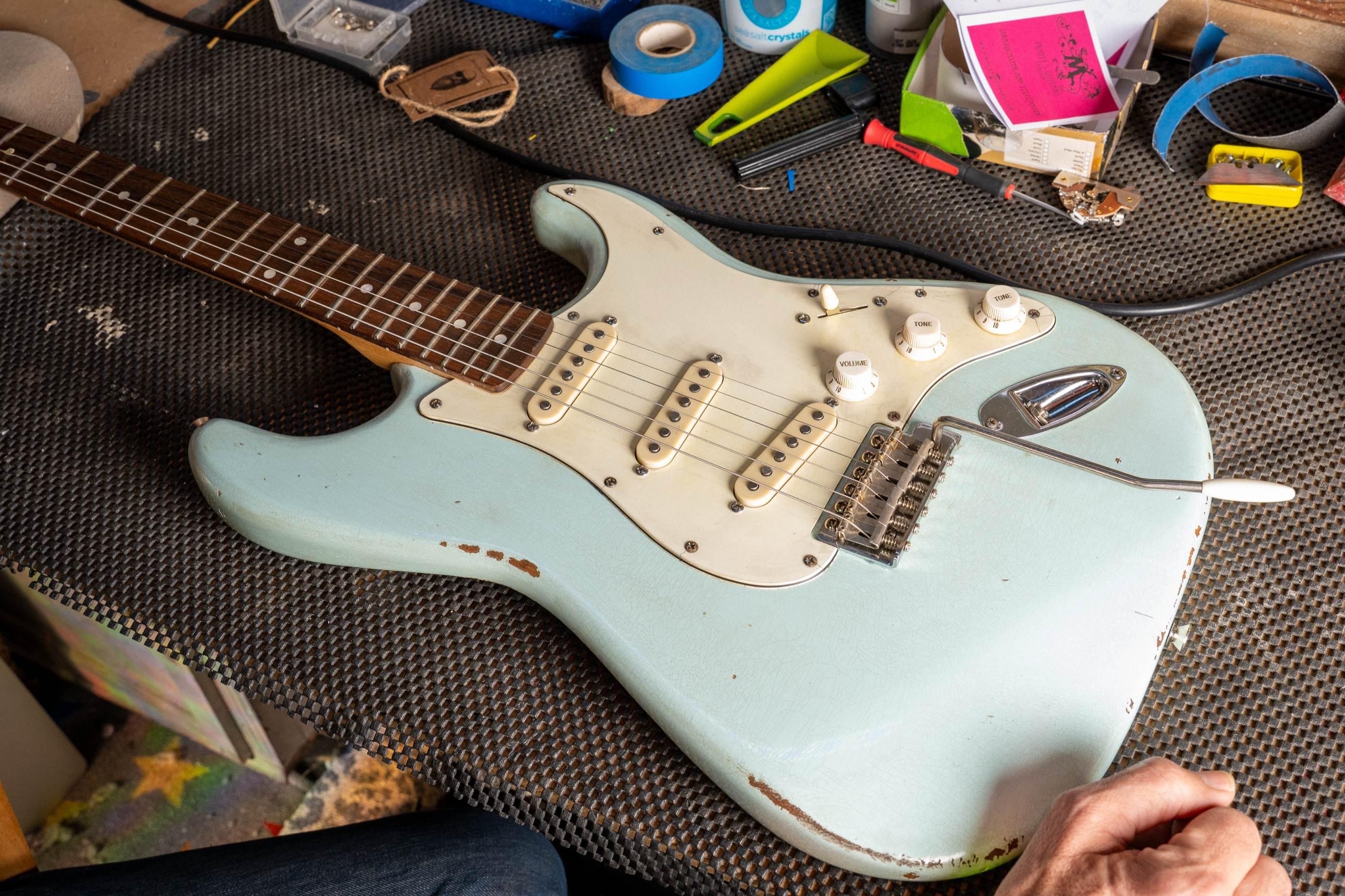
Brand new, I don't think you can tell them apart. Compare a freshly sprayed, finished, buffed nitro body with the same in poly and, by looking, no. You can possibly feel the difference, because poly is almost always thicker. It goes on thicker. It's not as easy to lay down in nice thin coats as nitro is, or it certainly isn't when I spray it. But take those two guitars, leave them somewhere, don't touch them for ten years, then come back to them, and they will look radically different. The poly finish will look exactly the same as it did ten years ago. The nitro won't.
Poly is pretty much impervious to the kind of temperatures a guitar would normally go through, even in extremes. If you went from California to Alaska with a guitar in a poly finish, it's unlikely anything would happen to it. Do that with a nitro finish, pristine in California, and open the case in Alaska, and you're not just going to know about it. You're going to see it, and you're going to hear it as you open the case and the cracks go.
Back in the sixties you probably did want that. The electric guitar was still very young then. They had no idea what was coming. Hindsight's always 20-20. But for me, the look and the feel of nitro over a thick poly finish is night and day.
Why it fades and checks. Nothing fades paint like sunlight does.
Nitro paint under nitro lacquer will age, particularly under strong UV. Nothing fades paint like sunlight does. You'll get a fade from natural light, pure and simple. Unless you constantly hide it in the dark, and even then it'll still take it in. Given enough time, ten, twenty, thirty years, it will fade.
And it fades in different ways. The paint outside a pickguard fades at a different rate from the paint under it, so fifteen years later you take that pickguard off and it's a different colour. The lacquer will crack. It'll check, and when it does that it will start to chip. It's just the natural ageing process of nitrocellulose.
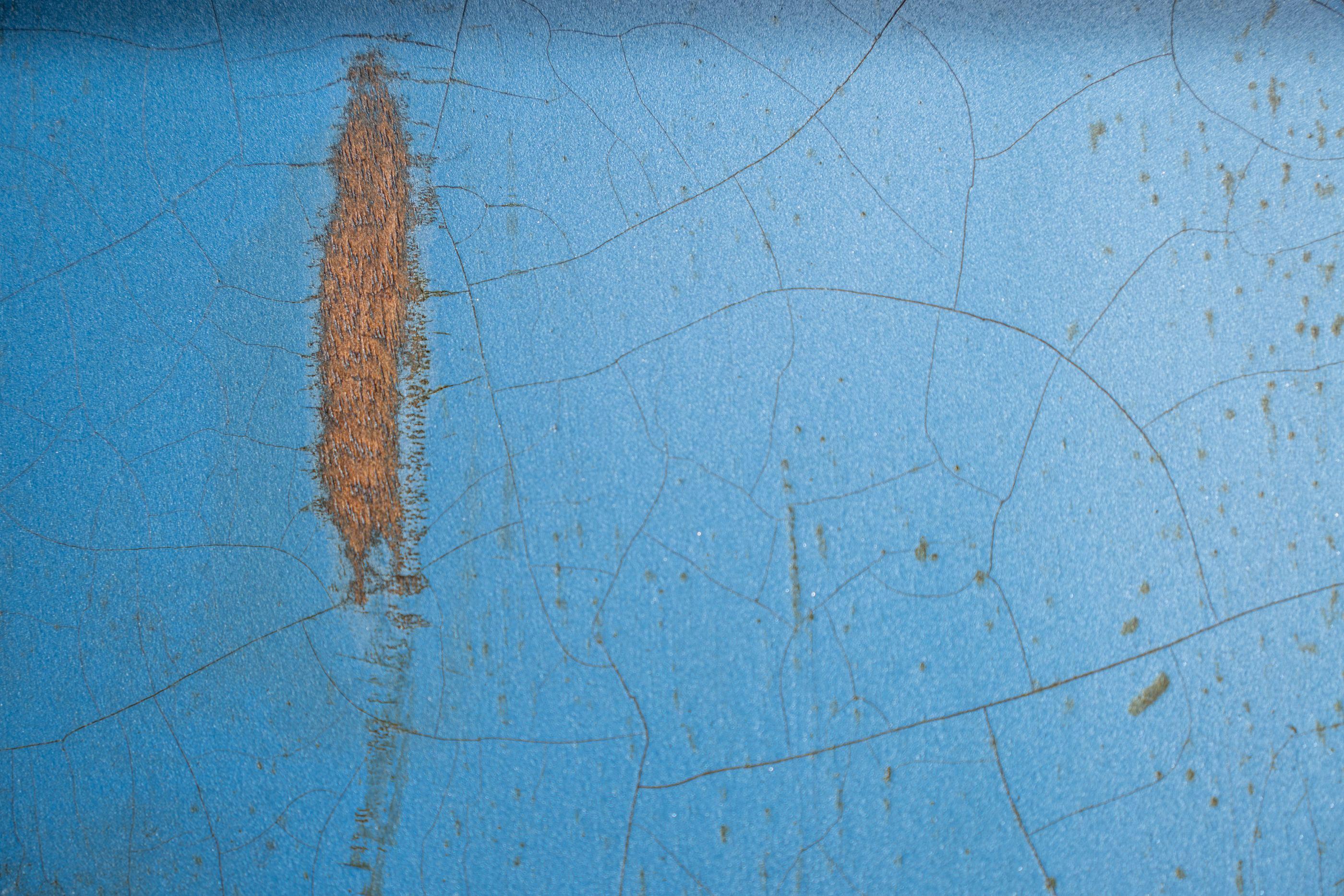
I've picked up guitars from twenty-five, thirty years ago with poly finishes and there's a few dings and dents on them, but never one where I've thought, I wonder what happened there. I don't think I've had a guitar with a nitro finish through my workshop, ever, that hasn't had some sort of ding where I've thought, oh, I wonder what happened there. Maybe that's a bit of my imagination and projection. Maybe. I don't know.
The wood. Wood breathes. It doesn't matter how old it gets.
Poly doesn't let the wood breathe. Now, in my opinion, there is something to the whole tonewood argument. Tonewoods aren't all that matters. It's the sum of the parts: the tonewoods, the pickups, the fretboard, the nut material, how it's set up. But if the tonewood argument matters, then the wood needs to breathe. And wood does breathe. It doesn't matter how old it gets, it still breathes. It swells and it shrinks with the seasons, just like we do.
Different woods sound different. Maple, I think, is slightly brighter than rosewood in a fretboard. Swamp ash is slightly richer in the bottom end than alder, I think. I can hear those differences. It's subtle, but they're there. To my mind, any resonance in that timber when you pluck a string across it is going to be different if it can breathe or if it can't.
Now, I can't say I can tell a tonal difference between a body painted in poly and a body painted in nitro. I can't. I'd be lying if I said I could. That would be a really interesting A-B test to do: a few identical guitars in nitro and a few identical guitars in poly. I wonder what the difference, sonically or perceived sonically, would actually be.
Looking after it. A soft microfibre cloth. Don't use chemicals.
Is it more fragile? No. It'll wear quicker in the high-wear places, the arm and belly contours and the back. But we're not talking about wearing in a year or two. We're talking ten, fifteen, twenty years.
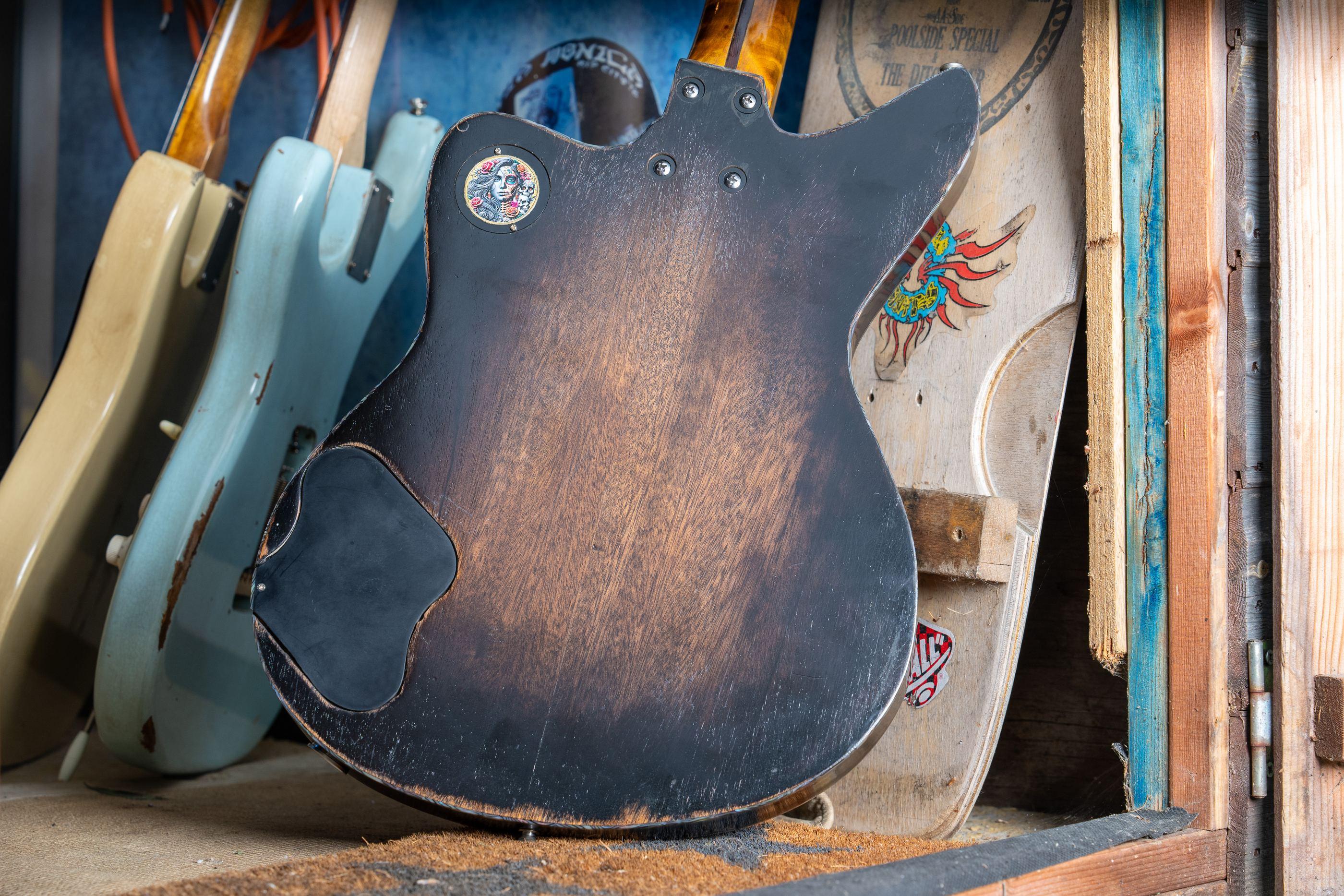
Keep its temperature relatively stable. Don't take it from somewhere very warm to somewhere very cold, or the other way round, unless you want it to age more quickly, and then that'll happen quickly. I've known guys in the States who've gone two or three states over, where the weather is radically different, taken the guitar out for a quick conversation, and what had very minor checking has gone like a sheet of ice on a mill pond. But generally speaking you should be keeping a guitar's temperature relatively stable anyway. In the UK we don't have massive extremes, this summer excluded. And strong, bright sunlight every day, you don't want that for any guitar. That applies to nitro and poly the same.
Cleaning it: a soft microfibre cloth. Just a soft microfibre cloth and a bit of elbow grease. Don't use chemicals. You don't need to, you don't know what's in them, and they will probably react with nitro. Lemon oil off the fretboard that gets on the body isn't going to fuck it up instantly, but it's not something you should be leaving on a nitro finish. Wipe it off.
Why I use it. You cannot relic a poly guitar.
The main reason I use a nitro finish is aesthetics. I put my hands up and say that. For all of this that is relevant and important, the ultimate reason is aesthetics. Doing what I do, I can't do it with poly. You cannot relic poly like you can nitro. This is a hill I will quite happily die on. You cannot relic a poly guitar. If you think you can, put the guitar down, step away from it and don't pick it up again.
I've never seen it pulled off. I've seen all sorts of attempts at poly relics, people using razor blades and black ink to simulate cracks. It never looks convincing, because poly doesn't age like that. It doesn't chip, crack, break or splinter. You don't get the fine lines all over, the craze lines, the longitudinal lines.
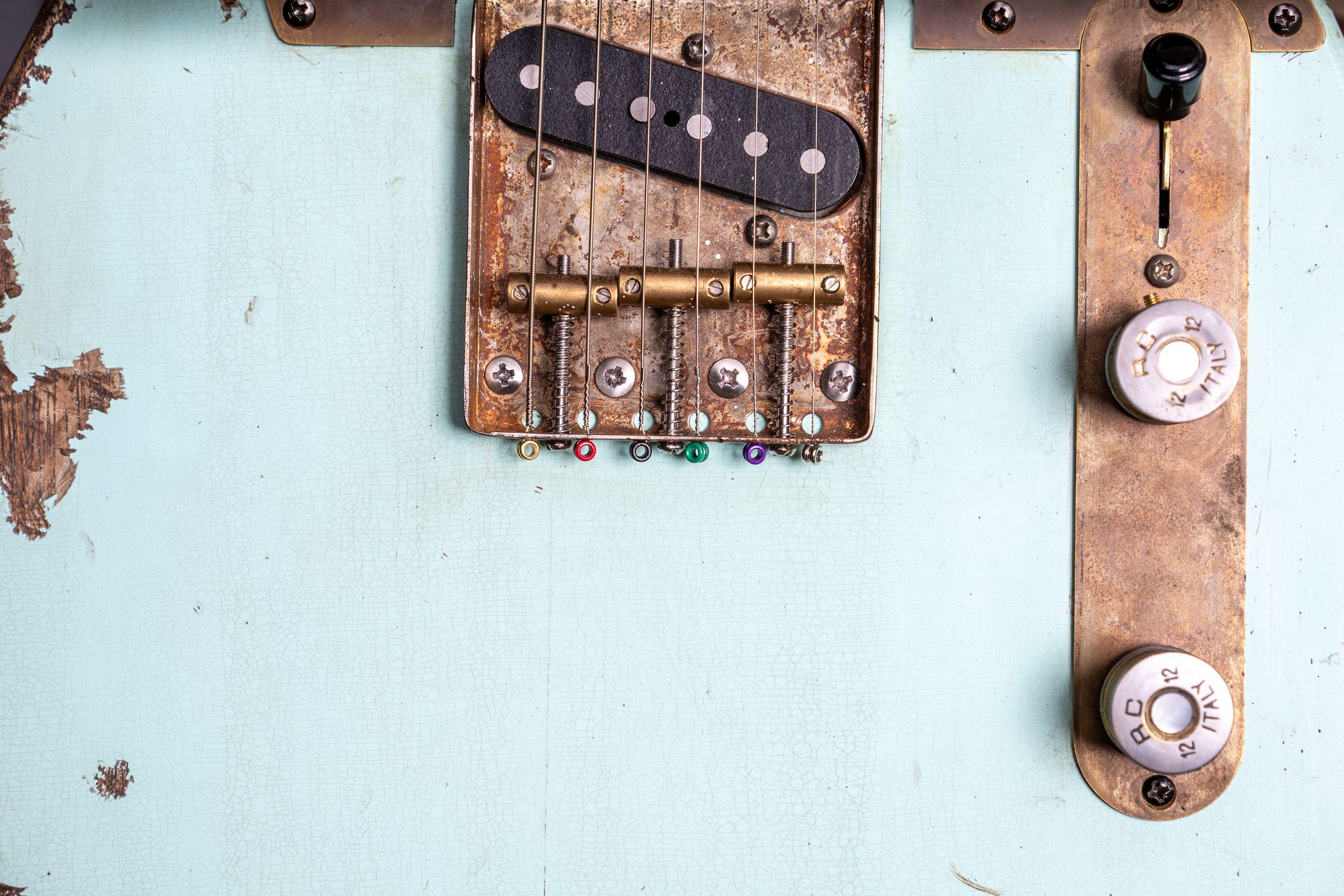
If somebody comes to me for a refinish and they want it to look old but not beaten up, not a complete nasty relic, just like it's forty or fifty years old, the first question is: do you want really fine craze lines, or those horizontal lines that go almost all the way across the guitar, and lots of them? How many layers of paint will do one and what density of paint will do the other. I can do both. You can't do either with poly. And once those cracks in nitro are there, they're going to keep getting slightly deeper, slightly longer, and there'll be more of them. Dirt gets pushed into the cracks and they get more visible over time. Clean the dirt off and they'll be a little less visible, but they're always going to come back.
All four coats. Why would I chance putting poly in the middle?
In my case the primer, the undercoat, the colour and the lacquer are all nitrocellulose. All four steps. A lot of people will use a poly undercoat and a nitro top coat, and combinations thereof. The nitro will still age on the top, but the wood won't breathe like it will under nitro.
From a flat-sanded wooden guitar it's grain filler, and I don't necessarily use a nitrocellulose one for that, because that's particularly nasty stuff. Sand it back. Then nitro sealer, to seal the timber. Nitro undercoat. Nitro colour coat. Nitro lacquer. Because I'm using nitro at all those stages, when it comes to the relicing, the checking, I know how it's going to work. I've been doing this long enough to know how that's going to check and how long I need to let it cure. It's all mine. And it's ultimately how they did it originally. If somebody is coming to me for a guitar that looks like it stepped out in 1962, why am I going to chance putting a poly finish in the middle, something that wasn't used then? It's not going to age quite the same way.
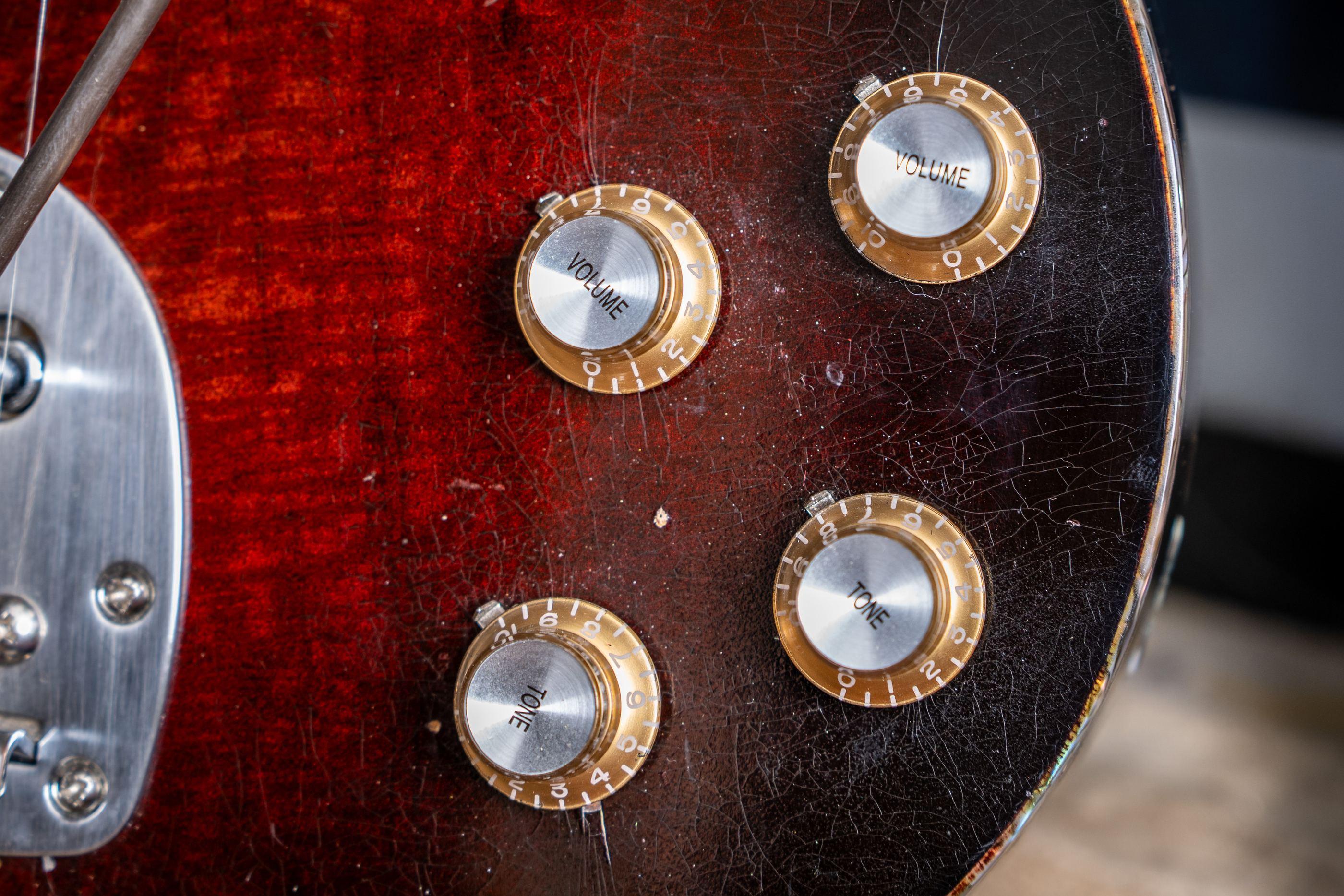
The best results I've ever had are always from doing all four with the same paint, the same manufacturer. I use paints that are almost identical to the original formulas. They were all car paints. They all came from Ford or General Motors, so it wasn't new technology even then. But if you're going to replicate something, there are ways and means, and certain ways are going to work and certain ways aren't. I know that system works. It's how they painted them originally. They had no idea that seventy years later people would be looking at those finishes and going, how do I get that now, without paying thirty, forty, fifty grand plus for a guitar of that age? Which is why people come to me.
| Recorded | 14 October 2026 |
|---|---|
| How | A cup of tea and a microphone, cut, not written |
| Who | John |